





 If you are a seller, be prepared to vacate the home for the duration of the inspection. A typical inspection will take 2-3 hours for an averaged sized (2,000 square feet +/-) home. The buyer(s) will meet the home inspector of their choice at the home. The home inspector must be licensed, registered with the state and insured.
If you are a buyer you should be present for the entire inspection and as attentive as possible, as this is your opportunity to view and discuss the findings with the inspector as the inspection is taking place. This is also the time to observe any deferred maintenance of the home and evaluate future maintenance that will be required after your purchase. Do not rely upon the written report to glean the most about the home and its condition. The seller and the seller’s agent should not be at the property to interrupt the inspection or create an unneeded distraction.
As buyer’s agents we do not attend home inspections, as our role is limited. Negotiations based on unsatisfactory test results do not commence until a written report of the findings is issued from the home inspector and any other vendors involved in the home inspection. With reports in hand the buyer(s) and their agent discuss the findings and any repairs or credits that they will request of the seller pursuant to the test results.
What exactly is being inspected?
A general home inspection will include a visual inspection of all major components and systems in the home including the exterior, roof, heating & cooling, doors, windows, attic, basement, exterior siding, appliances (limited), electrical and plumbing systems.
What About Inspecting the Basement for Faulty Concrete? 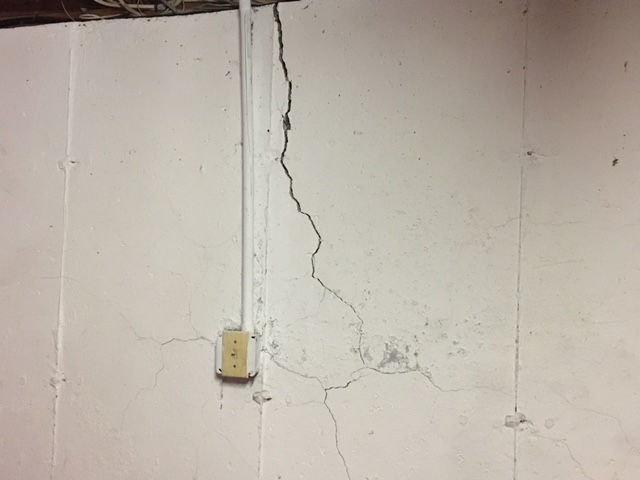
A visual inspection of the foundation, separate from the home inspection can be done by a Connecticut-licensed professional engineer or CFSIC-certified home inspector on the approved list for qualified vendors. This expense is reimbursed to the buyer or seller only if you use a structural engineer. More information about the reimbursement can be found here. If you are a buyer and are purchasing a property built post 1983 and want the option to apply for replacement funds should you discover that you have a crumbling foundation, you must complete a visual inspection or core sampling of the foundation before you purchase the property.
What Other Tests Can I Expect?
Water: Potability, Radon in Water, Lead in Water, Various Chemicals if Requested, Flow and Pressure
Septic: Pumping and Inspection-Most real estate contracts state the seller pays for the pumping of the tank and the buyer pays for the inspection of the system. If the seller doesn’t currently have risers on the septic tank, which are now code, the seller is usually responsible for installation and payment of the same.
Radon: Radon Gas in the Air. A Continuous Radon Monitoring (CRM) monitoring device will be left at the home for 72 hours and will be picked up by the inspector, and the results sent to the buyer(s) with the other test results.
Wood Destroying Insects: Termites, carpenter ants, powder post beetles
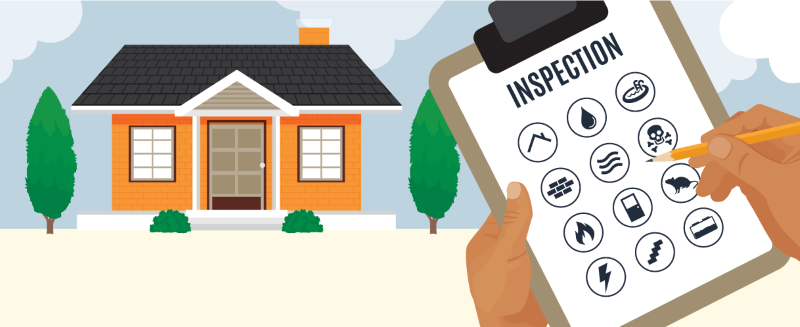 How Much Will a Home Inspection and Associated Testing Cost?
Prices vary per inspector and per test but in general average costs for a home inspection in Eastern Connecticut are $450-$650.
- Radon/Air $125
- Wood Destroying Insects $125
- Radon/Water $100
- Water Potability $150
- Chemicals in Water $30/each
- Water Flow $90
- Septic Inspection $300
- Septic Pumping $300
 Negotiations between the buyer and the seller in regard to the home inspection results should be limited to the mechanical, structural and electrical issues that are identified by the home inspector. Cosmetic deficiencies such as peeling wallpaper, scuffed baseboards or worn carpets are not relevant to the safe, sound and sanitary function of the home. Unless you are buying or selling a new home you should expect a certain amount of normal wear and tear and I recommend buyers proceed with caution in a “sellers market" before wading into what a seller may view as frivolous requests that can easily be remedied after the sale.
8 Things You Need to Know to Pass Your Home Inspection
How to Sell a Home That Didn't Sell
Buyers and Crumbling Basements

Connect