




The insect population has dropped by 45% over the last 4 decades. 40% of all insects are at risk of extinction. And it’s our fault. Habitat loss, rampant pesticide use, millions of acres of sterile grass and urbanization, and the replacement of native plants with pest-resistant ornamentals, are responsible for the putting insects in imminent danger of extinction.
How can you help insects rebound and thrive?
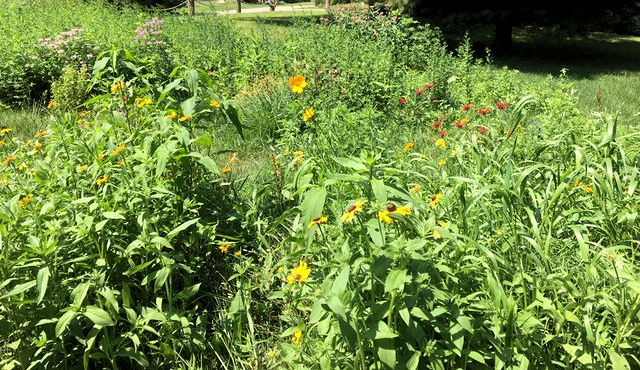
GO WILD. Eliminate a chunk of your lawn. Mow some walking paths so you can still bring a couple chairs outside and enjoy your grass. Sprinkle in some wild flower seed. Stop bagging your lawn clippings. Let them fall as they will and what little lawn you have will be healthier for it. Tall grasses swaying in the breeze are lovely to look at, small animals get cover, and you get a break from tedious lawn mowing.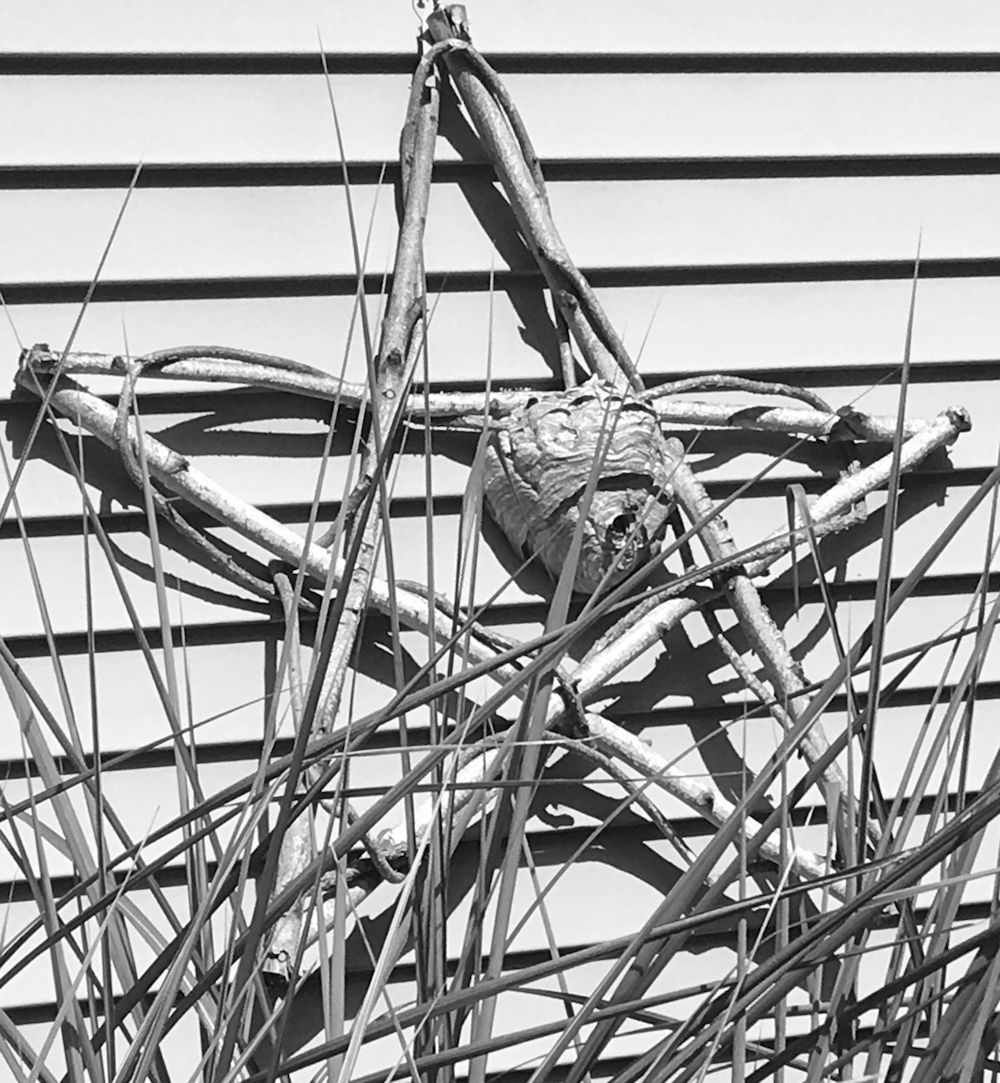
GO WITHOUT. No fertilizer. Just compost. It’s easy: Purpose a container in your kitchen (or buy one) for vegetables scraps, coffee grounds, tea bags, fruit peelings and when full, transfer to your outside compost bin. Turn your pile once in a while and you’ll have some lovely natural compost fertilizer for your plants come spring and fall. If you pay for trash service, composting some of your organic trash will save you in trash fees. Don't risk contaminating your own groundwater and exposing your pets and kids to a carcinogenic carpet every time they venture outdoors. 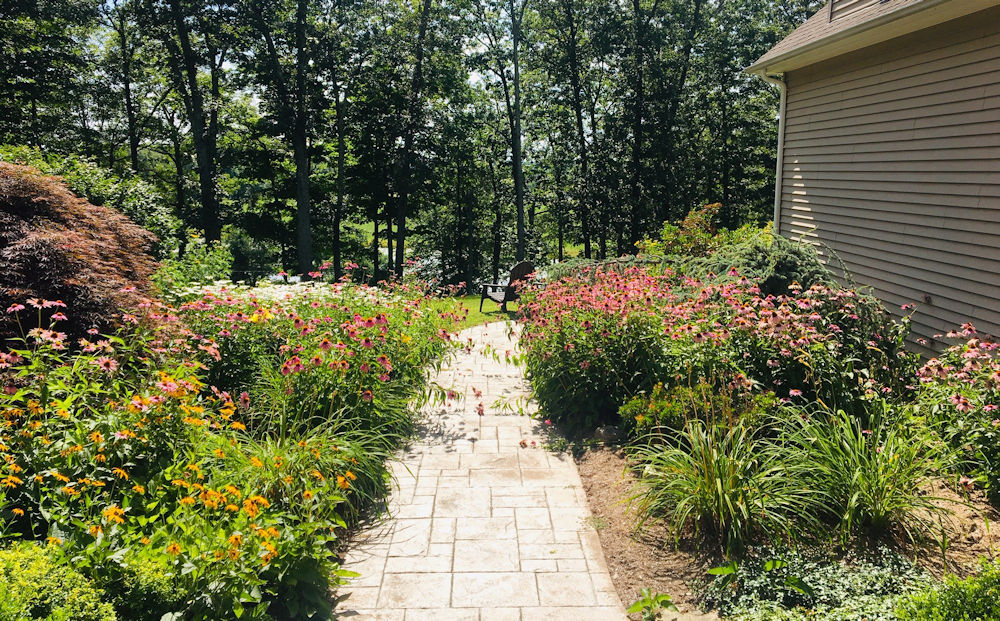
GO NATIVE. Plant native plants and trees. Native plants host up to 100 times more insects than non-native. Check out plant recommendations by zip code here. Dig up your burning bush and replace it with a beautiful native appreciated by pollinators and birds. The front garden at my house is alive with bees and monarch butterflies in the summer and gold finches in the fall harvesting the Echinacea seeds.
GO BUZZ-BUZZ. Create a Pollinator Garden. Insects pollinate 80 percent of all plants and 90 percent of all flowering plants. That is not considering food crops. Do you like to eat? Lose our pollinators and lose the food we grow.
GO DARK. Use motion sensor lights outdoors. Light draws in insects and they grow weak and tired making them easy prey for bats (also endangered) and birds. Millions of lights kill billions of insects every night.
 GO LIGHTLY. Be gentle with your portion of the earth. Stop using insecticides. They are poison and are not necessary. Think before you spray. Is it imperative that you wipe out a colony of bees with bug spray because of a single close encounter? Must you treat a plant because it suffers from a weather-related fungus—why not just call it a day and better luck next season? Not to be preachy, but these are small sacrifices we could make to ensure a future for pollinators and people alike. As a property owner and landowner you get to choose to be part of the problem or part of the solution.

Connect