




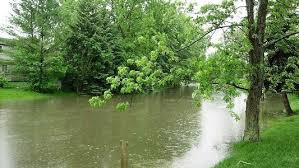
 If it feels like it's always raining, well, in Connecticut, it is. According to NOAA, CT now sees an annual 38% increase in precipitation, which makes for new weather patterns and expectations. Storms are more intense, increasing in frequency and amount of water provided with each storm. Storms form and move faster and with greater strength, powered by heat and moisture. As more water quickly falls on hard surfaces, we see higher levels of erosion and greater movement of surface materials into waterways. This affects water quality, alters flood rates, and flood zones.
New England as a whole has been experiencing more rainfall and more intense storms due to the increasing amounts of CO2 in our atmosphere —which is effectively an insulating blanket around our planet—pushing temperatures on land and sea to rise.
How do we deal with this deluge of water onto our property and in some cases, into our homes? What to do about storm runoff that is running into our storm drains and waterways?
If you live in a watershed area and certainly, if you are waterfront, you should be making every effort possible to keep the lake, pond, stream and your own ground water clean and healthy. Up to 50% off all polluted runoff comes from residential properties. There are some actions you can take in your own yard to promote the health of our local water sources.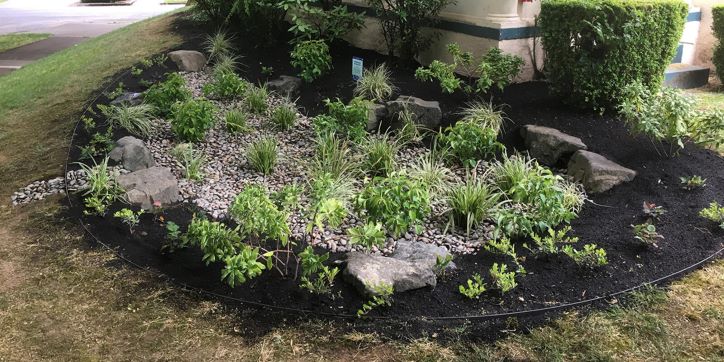
Turn Your Yard into a Healthy Ecosystem and Living Sponge:
- Direct runoff from your roof onto grass and planted areas
- Use rain barrels to collect rainwater from downspouts and use for watering in the drier months
- Keep your lawn at least 3 inches high
- Create a rain garden to collect and filter rainwater. Rain gardens can soak up 30% more water than a traditional garden
- Leave grass clippings on the lawn. A free natural fertilizer that can provide to to 1/3 on your lawn’s nutrient needs
- Use up to 1/2 “ of compost to top dress your lawn or garden
- Let your lawn go dormant in the summer. Experts estimate that half of the water we use outdoors is wasted from wind, evaporation or runoff due to over watering
- Learn to love clover in your lawn. It attracts pollinators and is a free source of nitrogen
- Plant native plants and shrubs
- Stop using chemical fertilizers on your lawn and plantings
- Pick up dog poop in your own yard. On top of being unpleasant to step in, one gram of dog poop contains 23 million coliform bacteria which can take over a year to decay while seeping into soil and groundwater.
On the subject of water, why not revisit the timeless 2005 commencement speech by David Foster Wallace, This Is Water. It's a lesson on awareness and living a meaningful life, which never gets old.
Find a Waterfront Home in the Local Area

Connect