






I recently read about a CT homeowner who discovered that a $1.5 million dollar home was being built by a developer on a vacant lot that he owned for 70 years after a forged deed prompted a fraudulent sale. The developer, who claims he was unaware he was not buying the land from the real landowner, may be out hundreds of thousands of dollars with little recourse, if the court agrees with the actual owner that the building needs to be dismantled and the land restored to its original state. It’s one thing to fall victim to a phishing scheme or email hack but this kind of theft is becoming more common and especially if you own vacant land.
What is Deed Theft?
Deed theft, also known as property deed fraud or house stealing, is a type of real estate fraud where the title of a property is transferred without the owner's knowledge or consent. This fraudulent transfer is usually done through forged signatures, false documents, or other deceptive means. Once the thief has control of the property title, they may attempt to sell the property, take out loans against it, or even force the legitimate owner out.
There are two types of deed-theft you should be aware of:
In the first, thieves will forge a deed and transfer ownership to themselves and record the sale in the town records and quickly flip it and sell to an unsuspecting buyer.
In the second type, a homeowner is tricked into signing a deed to transfer ownership by a dishonest person but promising to refinance a mortgage or pay overdue taxes. In one instance a land owner went to pay taxes and was informed they were already paid by a stranger and the lot sold for $230,000 with a forged deed.
Older people are at higher risk since they tend to own the real estate outright and there are no liens or mortgages encumbering the property, making it difficult to transfer or sell through fraudulent means. 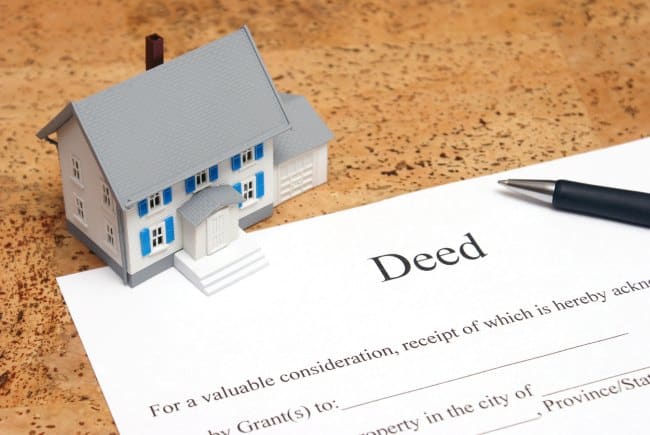
How to Protect Yourself from Deed Theft:
Monitor Your Property Records: Regularly check your property records and ensure that the information is accurate. Many county recorder's offices now provide online access to property records, making it easier for homeowners to monitor any changes.
Secure Important Documents: Keep physical copies of property-related documents, such as the deed and mortgage papers, in a secure location. Use password protection for any digital copies and be cautious about sharing sensitive information.
Be Wary of Unsolicited Offers: Beware of unsolicited offers to buy your property or requests for personal information. Scammers may use these tactics to gather information and facilitate deed theft.
Never sign a real estate document under pressure: You must sign a deed to transfer ownership. If you don’t know what you are signing or have questions, consult a lawyer.
Don't ignore suspicious mail: If you receive official looking mail, from your town, tax collector, assessor or insurance company and the address is correct but the name isn’t, do not ignore it! Before you pitch it, check to be sure that the person named in the document has not transferred your property deed to their name.
Check out new listings just 1 day on the market
What is my home worth today?
Meet Our Team of Mansfield Storrs UConn area top agents

Connect