





 Mansfield, Connecticut continues to experience housing pressure driven largely by the presence and growth of the University of Connecticut. As enrollment levels, student housing demand, and rental patterns evolve, local zoning discussions increasingly focus on how the town can balance student housing needs with long-term residential stability.
This Town Watch update explores why these discussions matter for property owners and how zoning decisions may influence Mansfield’s future real estate landscape.
What Is Happening in Mansfield?
The Town of Mansfield has long navigated the unique dynamics that come with hosting a major university.
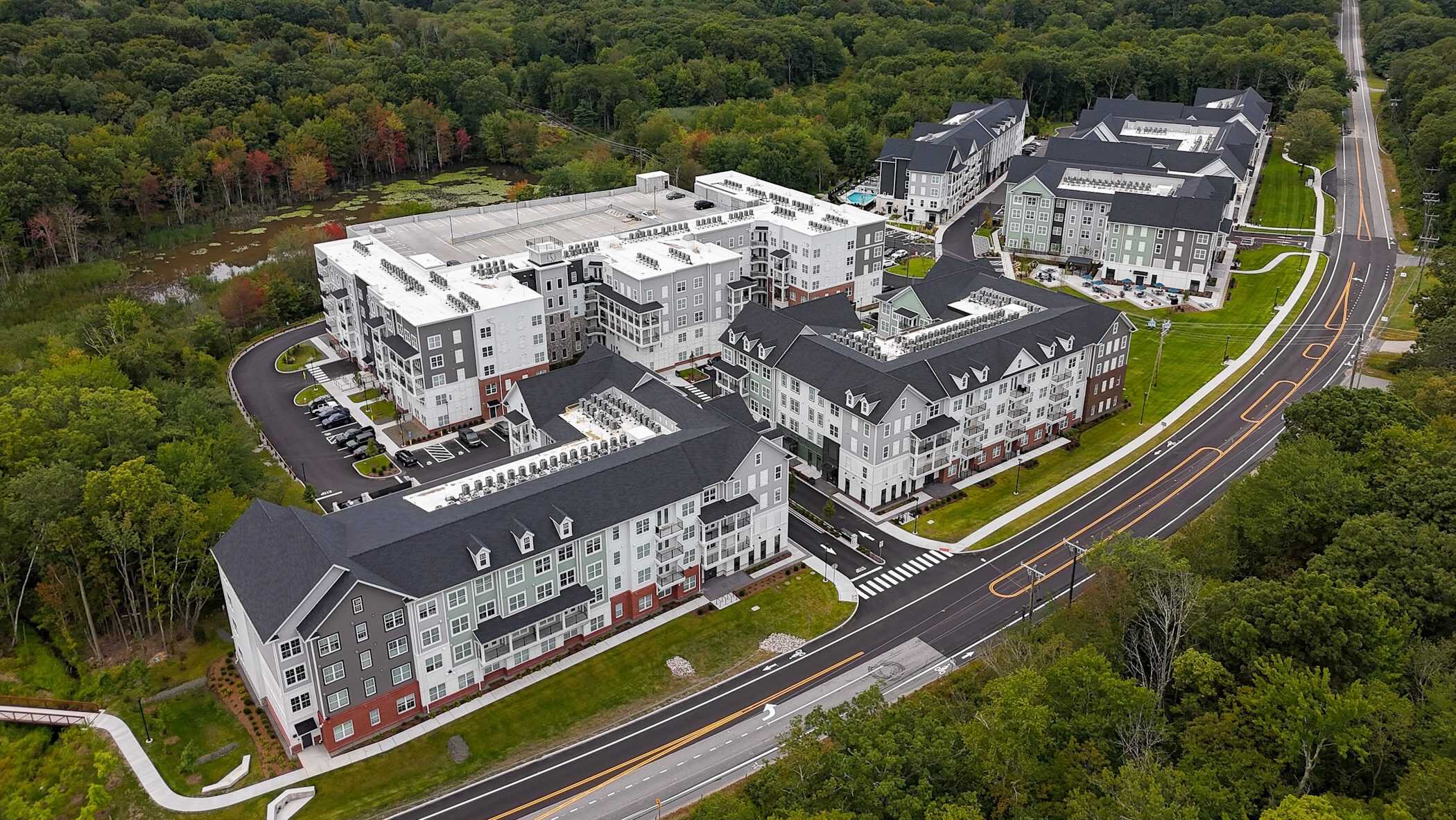
UConn brings tremendous economic and cultural value to the community, but it also creates housing demand that affects:
-
rental supply
-
neighborhood composition
-
zoning policy
-
development patterns
As enrollment levels fluctuate and housing needs evolve, municipal planning discussions often focus on how to balance:
• student housing demand
• neighborhood stability
• long-term development planning
• infrastructure capacity
These conversations are common in university towns across the country and are an ongoing part of Mansfield’s planning process.
Why Housing Pressure Matters to Property Owners
Housing demand tied to a university can influence the real estate market in several ways.
For example, increased rental demand may lead to:
• higher investor interest in residential properties
• conversion of owner-occupied homes to rentals
• pressure on zoning regulations
• discussions about density and development
These factors can affect both property values and neighborhood dynamics, making planning discussions particularly relevant for local homeowners.
The Role of Zoning in Mansfield
Zoning policies play a central role in managing housing pressure.
Local zoning regulations determine:
-
where rental housing may expand
-
how density is managed
-
what types of development are permitted
-
how neighborhoods are preserved
Planning commissions must weigh competing priorities, including:
• protecting established residential neighborhoods
• accommodating housing demand
• maintaining infrastructure capacity
• supporting economic growth tied to UConn
These decisions often shape Mansfield’s development trajectory for years to come. These recent updates may be useful to you if you're interested in how land is valued and/or how highest and best uses are determined.
What Property Owners Should Monitor
For Mansfield property owners, it can be helpful to stay aware of planning discussions involving:
• student housing policies
• zoning updates or overlays
• rental occupancy regulations
• infrastructure planning around the university
• development proposals near campus corridors
Understanding these issues allows property owners to evaluate how municipal planning decisions may influence long-term property values and community character.
The Broader Real Estate Perspective
University communities often experience unique real estate dynamics.
Strong institutional anchors like UConn can support:
-
long-term housing demand
-
investment activity
-
infrastructure development
-
regional economic stability
At the same time, thoughtful planning is needed to maintain a healthy balance between rental demand and neighborhood stability.
Mansfield’s ongoing planning discussions reflect this balancing act.
Final Thought
Real estate markets do not operate in isolation. They are influenced by infrastructure investment, institutional growth, zoning decisions, and community priorities.
As Mansfield continues to evolve alongside the University of Connecticut, planning discussions will remain an important part of the town’s real estate landscape.
For property owners, staying informed about these conversations provides valuable context for long-term real estate decisions.
A recent Town Watch update examined how land use discussions and the proposed siting of a state-operated juvenile detention facility in Tolland may affect property owners.
This update is part of the HST Town Watch Local Planning & Development series.

Connect